TR
TR EN
EN

Should You Buy a Car with 200,000 km or More? Facts, Risks, and Smart Buying Tips
One of the biggest debates in the used car market is whether vehicles with high mileage are worth buying. Cars with 200,000 kilometers (about 124,000 miles) or more often make buyers hesitate. Some people avoid them entirely, while others believe that a well-maintained high-mileage car can remain reliable for many years.
The truth lies somewhere in between. Mileage alone does not determine whether a vehicle is a good purchase. A car's maintenance history, driving conditions, and overall mechanical condition are far more important than the number displayed on the odometer.
What Does Mileage Really Tell You?
Mileage indicates how far a vehicle has traveled, but it does not reveal how it has been driven or maintained.
Two cars with the same mileage can have completely different levels of wear.
For example:
-
A vehicle used mainly for city driving experiences frequent stop-and-go traffic, which places greater stress on the engine, transmission, brakes, and clutch.
-
A vehicle driven mostly on highways typically operates at steady speeds, resulting in less mechanical stress despite covering similar distances.
For this reason, 200,000 km should not automatically be considered a warning sign.
Common Wear on High-Mileage Vehicles
As vehicles reach or exceed 200,000 km, certain components naturally approach the end of their service life.
Common areas of wear include:
Engine
-
Increased oil consumption
-
Reduced compression
-
Turbocharger wear (if equipped)
-
Minor power loss
Transmission
-
Rough or delayed gear changes
-
Worn clutch in manual vehicles
-
Wear in automatic transmission components
Suspension and Steering
-
Worn shock absorbers
-
Damaged bushings
-
Ball joint wear
-
Increased vibration and road noise
Cooling System
-
Radiator corrosion or blockage
-
Aging coolant hoses
-
Water pump wear
-
Coolant leaks
These issues are not unusual for older, high-mileage vehicles, but repair costs should always be considered before purchasing.
Maintenance History Is More Important Than Mileage
The most valuable information about any used car is its maintenance record.
A vehicle that has received regular servicing can often be in better condition than a lower-mileage car that has been neglected.
Important questions include:
-
Were engine oil and filters changed on schedule?
-
Has the transmission fluid been serviced according to the manufacturer's recommendations?
-
Have major maintenance items, such as the timing belt or timing chain service, been completed?
-
Are service records available?
A documented maintenance history is often a better indicator of reliability than mileage alone.
The Biggest Risk: Hidden Problems
The greatest concern with high-mileage cars is often not the mileage itself but the possibility of hidden issues.
Common risks include:
-
Odometer fraud
-
Undisclosed accident damage
-
Poor maintenance
-
Temporary cosmetic repairs hiding mechanical problems
This is why a professional pre-purchase inspection is essential.
Advantages of Buying a High-Mileage Car
High-mileage vehicles are not always a bad investment. They can offer several benefits.
Advantages include:
-
Lower purchase prices
-
Access to higher-end models within the same budget
-
Slower depreciation
-
Greater room for price negotiation
For buyers with a limited budget, a well-maintained high-mileage vehicle may provide better value than a neglected low-mileage alternative.
Essential Checks Before Buying
Before purchasing any vehicle with more than 200,000 km, a comprehensive inspection should be carried out.
Recommended inspections include:
-
Professional pre-purchase inspection
-
Engine compression test
-
Transmission evaluation
-
Suspension and steering inspection
-
Cooling system pressure test
-
Brake system inspection
-
Rust inspection
-
Vehicle history and accident report
These checks can reveal expensive problems before the purchase is completed.
Don't Focus Only on the Odometer
Many buyers automatically reject vehicles with high mileage while overlooking poorly maintained lower-mileage examples.
A vehicle's condition depends on many factors, including:
-
Maintenance quality
-
Driving habits
-
Storage conditions
-
Repair history
-
Previous ownership
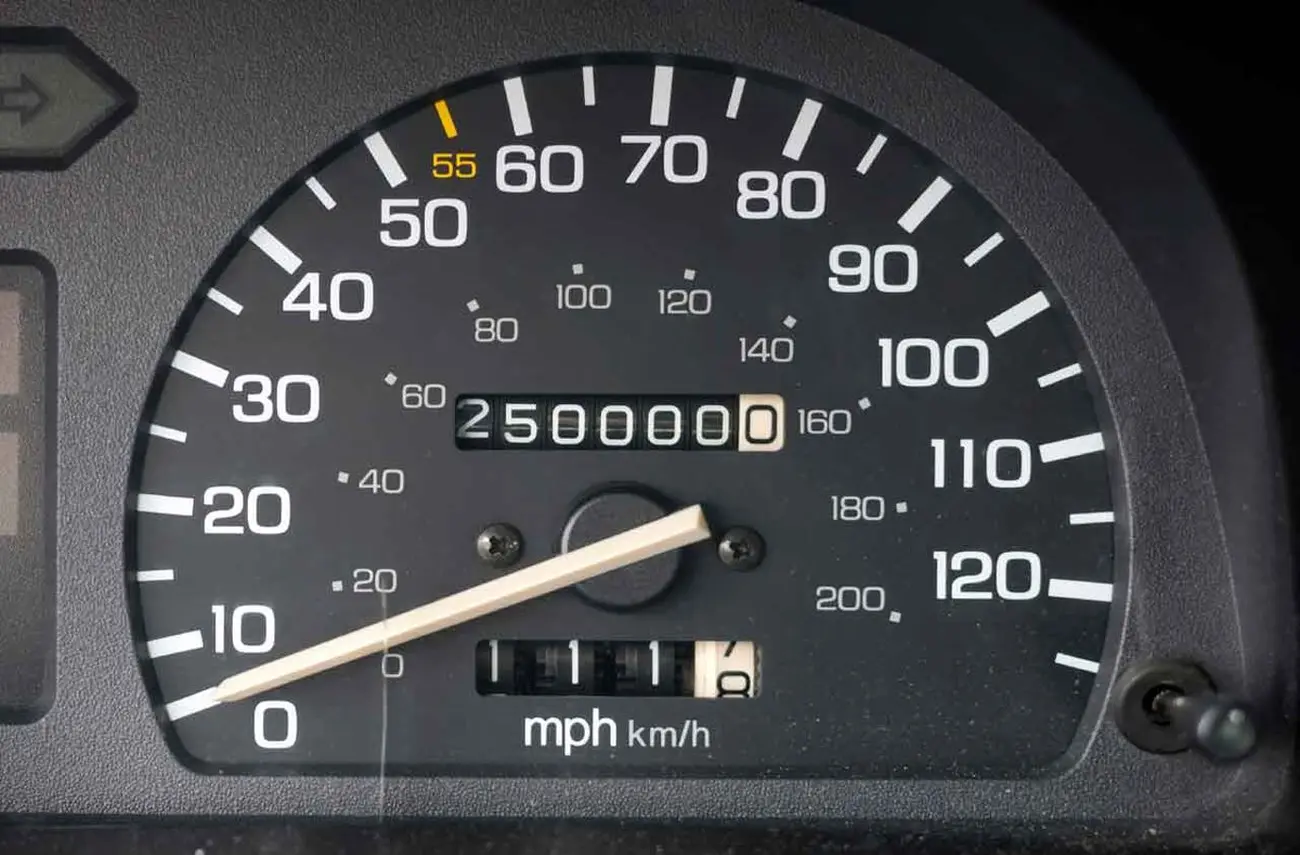
A carefully maintained vehicle with 250,000 km can often be more dependable than a neglected car with only 100,000 km.
Final Thoughts
A car with more than 200,000 km should not automatically be considered a poor purchase.
The key is to evaluate the vehicle as a whole rather than relying solely on its mileage. A complete service history, good mechanical condition, and a professional inspection are much stronger indicators of reliability than the odometer reading.
The bottom line: Mileage is just a number. The true story of a vehicle is written in how well it has been maintained throughout its life.