Winter is one of the most demanding seasons for vehicles. Low temperatures, snow, ice, rain, mud, and road salt can affect many parts of a car, from the engine ...
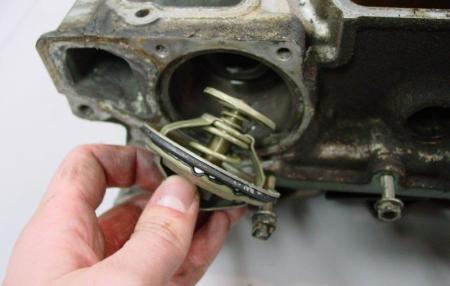
A car thermostat is a relatively small component, but it plays a major role in keeping the engine at the correct operating temperature. It controls the flow of ...
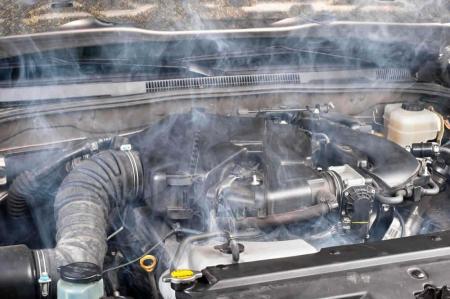
The radiator is one of the most important components of a vehicle's cooling system. Its primary function is to remove excess heat from the engine coolant and tr...
Spark plugs are small but essential components of a gasoline engine's ignition system. They produce the electrical spark needed to ignite the compressed air-fue...
A cracked windshield does not always need to be replaced. Small cracks and stone-chip damage can often be repaired using a special resin, provided the damage is...
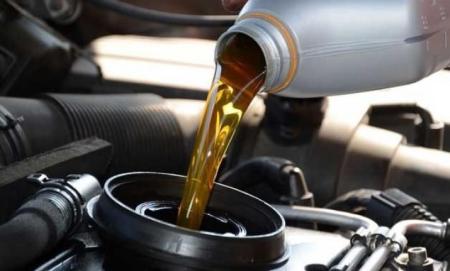
Knowing how and when to change your car's engine oil is one of the first things most drivers learn about vehicle maintenance. Regular oil changes are essential ...
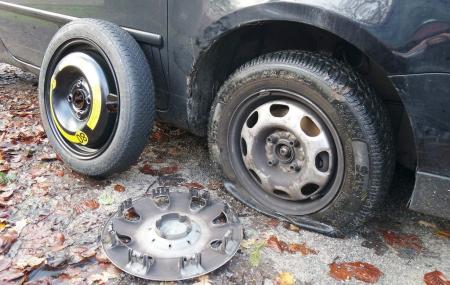
A spare tire is one of those parts of a vehicle that most drivers rarely think about—until a tire goes flat in the middle of nowhere....
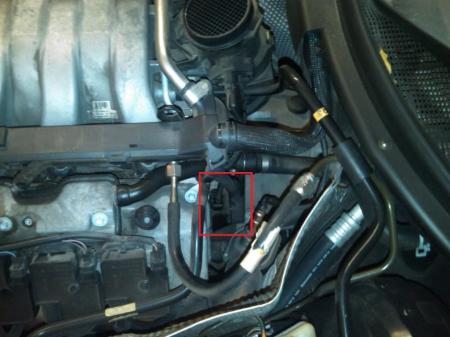
The crankshaft position sensor is one of the most important sensors in a modern engine. It provides the engine control unit (ECU) with information about the cra...
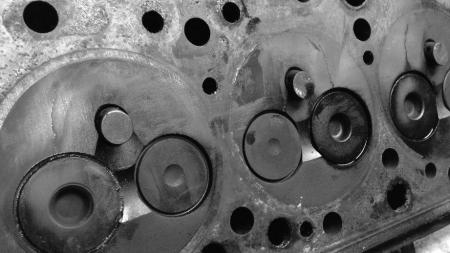
The engine block is one of the most important structural components of an engine. It houses the cylinders and, depending on the engine design, contains oil pass...
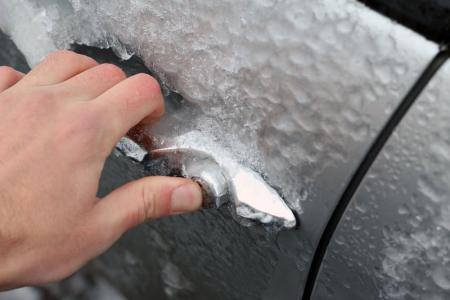
A frozen car door lock is a common winter problem, especially when a vehicle is left outside overnight in freezing temperatures. Moisture can enter the lock mec...
Xenon and Bi-Xenon headlights are high-intensity discharge (HID) lighting systems that became common on many vehicles, particularly from the 2000s onward. The m...
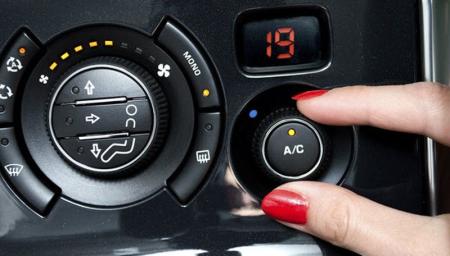
Using the air conditioning system increases fuel consumption because the A/C compressor requires energy to operate. In vehicles with conventional internal-combu...
 TR
TR EN
EN